
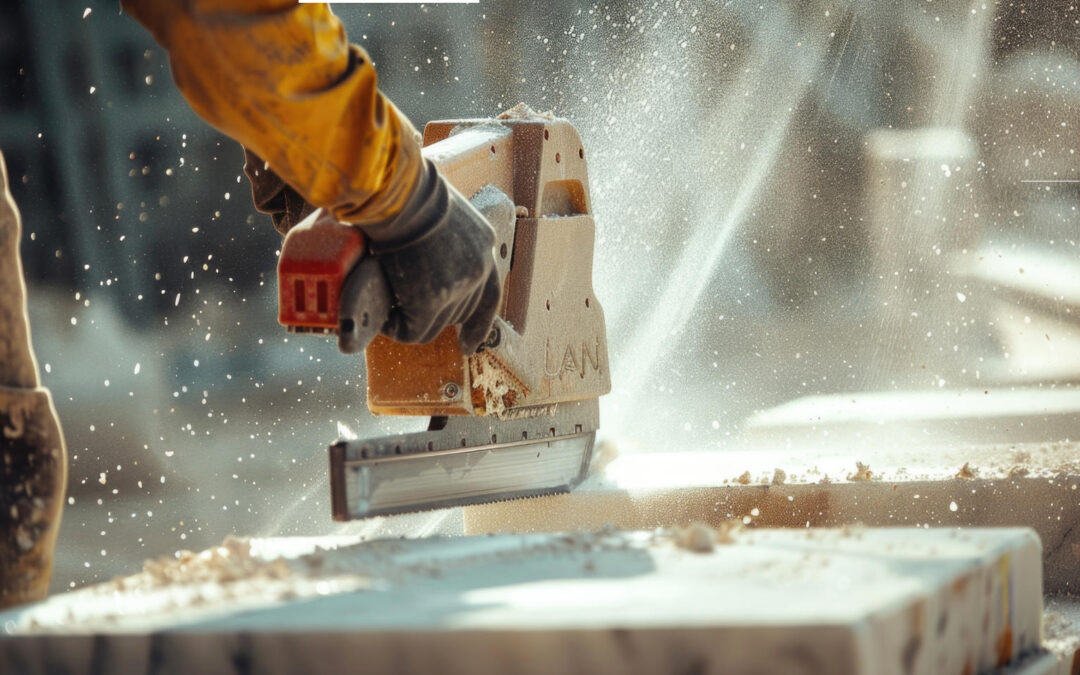
On December 9, 2025, the Massachusetts Department of Public Health issued a safety alert urging employers in the stone countertop fabrication industry to protect workers from silica dust exposure after the state’s first confirmed silicosis case in the countertop industry.
State health officials issue the alert after a man in his 40s was diagnosed with silicosis. For the fourteen years prior to his diagnosis, he had worked for two stone countertop fabrication and installation companies in Massachusetts.
While this is the state’s first confirmed case of silicosis among this workforce, the growing number of cases recently reported in other states and countries linked to this industry suggests that additional, unconfirmed cases exist in Massachusetts.
The first reported case of silicosis in the United States related to exposure to silica dust from engineering stone was identified in 2014 in Texas. Hundreds of cases have since been reported in other states, along with dozens of deaths because of the disease, most notably in California.
In recent years, the popularity of engineered or artificial stone countertops has soared, promising durability, aesthetics, and convenience. However, lurking beneath the surface lies a hidden danger – silica dust. Engineered stone releases far greater amounts of free silica when handled than natural stone.
Silica dust, released during the cutting, grinding, polishing, installing, and fabricating quartz and other engineered stone, poses a significant health risk to workers. Silicosis, a lung disease characterized by scarring and inflammation, is a grim consequence of prolonged exposure to this airborne hazard. Worse yet, it’s often irreversible and can be fatal.
All across the country, workers in the stone fabrication industry are facing the specter of chronic silicosis, along with heightened risks of lung cancer, chronic kidney disease, and autoimmune disorders.
Manufacturers of engineered stone products containing quartz include Cambria, Caesarstone, Silestone, MSI, Vicostone, Daltile, Viatera, Corian, Hanstone and others.
If you or someone you know has worked with artificial stone fabrication, it’s crucial to recognize the signs of silica-related health issues. Shortness of breath, coughing, and chest pain are common symptoms of silicosis, but the disease can manifest in subtler ways, making regular medical check-ups imperative for early detection.
Thornton Law Firm stands ready to assist, offering free case evaluations and access to medical resources for those affected by silica exposure. With a track record spanning over four decades, the firm has championed the cause of workers exposed to toxic dusts and other substances, securing substantial compensation for their clients.
If you work or have worked with engineered stone and are concerned about silicosis, please feel free to contact Thornton Law Firm as your first step. David Bricker, Andrew Wainwright, Andrea Marino Landry, and Brian Freer, seasoned lung disease attorneys, stand ready to provide support and legal counsel in navigating the complexities of silica-related lawsuits. Contact us at our toll-free number 800-431-4600 or send us a message here. The consultation is free and there is no obligation on your part. All legal claims have time limits, so do not delay seeking legal advice.